Laying the foundation for a new approach to metabolic studies
To study the promising new metabolic drugs, novel approaches are being developed to measure metabolism and cardiovascular health, using multi-omics, immunometabolomics and behavioural testing.
‘Our Board has designated metabolic and cardiovascular disorders as a new strategic focus,’ says Dr Naomi Klarenbeek, Research Director Internal Medicine. ‘So now we’re developing innovative ways to study metabolic disorders, including obesity and related conditions, type 2 diabetes, non-alcoholic fatty liver disease and lipid metabolism disorders.’ In the past, CHDR has already contributed to the development of several new drugs to treat metabolic and cardiovascular disorders. Now, after a period with few new developments, the GLP-1 agonists have been major game-changers in this field, increasing the development of novel therapies. Klarenbeek and her team are keen to contribute to this development.
Metabolomics
‘Based on our scientific interest, we would like to make a contribution that adds value for patients and for our clients,’ says Klarenbeek. ‘We want to go beyond simple measurements such as glucose levels. We aim to demonstrate the pharmacological action of drugs in healthy participants by collecting detailed data that are relevant to the mechanism of action of the compound.’ To deliver this added value, the team performs self-funded studies to map the effects of metabolic challenges. The studies are performed in both healthy study participants and in obese participants who already show signs of metabolic dysfunction.
‘In these initial studies, we are looking at the effects of two metabolic challenges: a standardised meal and fasting for 48 hours,’ says Klarenbeek. Using various omics techniques such as RNA-sequencing and proteomics, the researchers investigate the changes that occur in the blood and subcutaneous adipose tissue and the pathways involved. By comparing healthy participants with people who have metabolic dysfunction, they aim to establish specific pathways which are relevant for future research. ‘We are building a database, which will be used as a reference. If a client wants to study a novel compound that works via a known pathway, we can collaboratively develop a protocol to study its pharmacological effect in participants with or without obesity,’ says Klarenbeek.
The research into metabolic disorders ties in with the expertise of Diana Pereira from the Research Laboratory, who has been working on the metabolism of immune cells for many years. Even in studying metabolic diseases, the Internal Medicine group thus benefits from the collaboration with other groups. Klarenbeek: ‘Immunometabolism is a very interesting field in itself, with important applications in immunology. But white blood cells are also easily accessible cells that we can use as a readout for metabolic drug effects. So we will definitely incorporate her expertise into our studies.’
Influence on behaviour
An interesting aspect of GLP-1 agonists is that they not only influence metabolism, but also the behaviour and food preferences of patients taking these drugs. ‘Many people describe having less appetite for processed foods and finding fresh produce and vegetables more appealing,’ says Klarenbeek. ‘It is quite remarkable that these compounds have such an impact. It would be great if we could also investigate this effect in healthy study participants.’
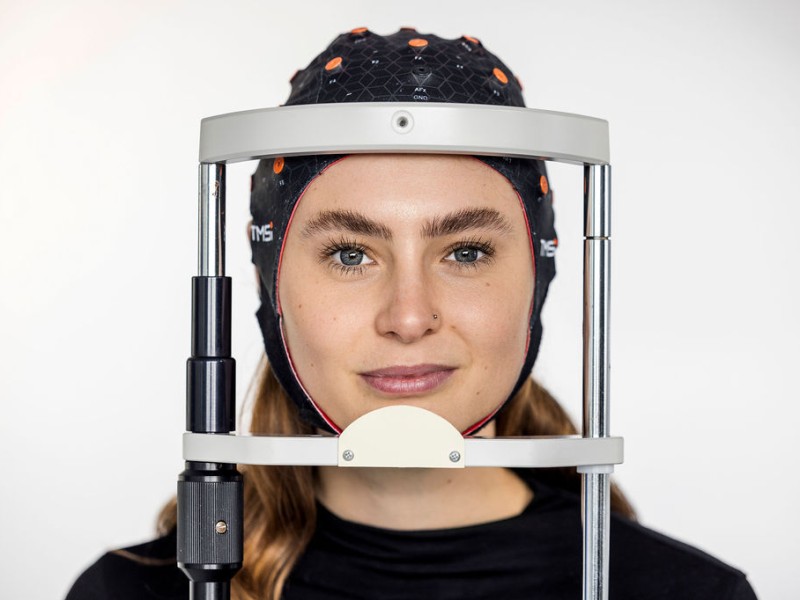
The team is therefore working on methods to measure food preferences as objectively as possible. Tests developed elsewhere in the field of food hedonics, the neurobiology of appetite, will be adapted for use in drug research. In developing these tests, Klarenbeek and her colleagues do not have to start from scratch. They can draw on the expertise of the Psychiatry group and the Biomarker Engineering and Analytics group, who are developing measurements for motivation and emotional responses.
Cardiovascular
Cardiovascular health has been a focus at CHDR over the years. Now, inspired by market developments, research in this area will be strengthened once more. ‘There is growing interest in cardiovascular disease among our clients, partly because weight-reducing agents can also have a beneficial effect on cardiovascular health,’ says Klarenbeek.
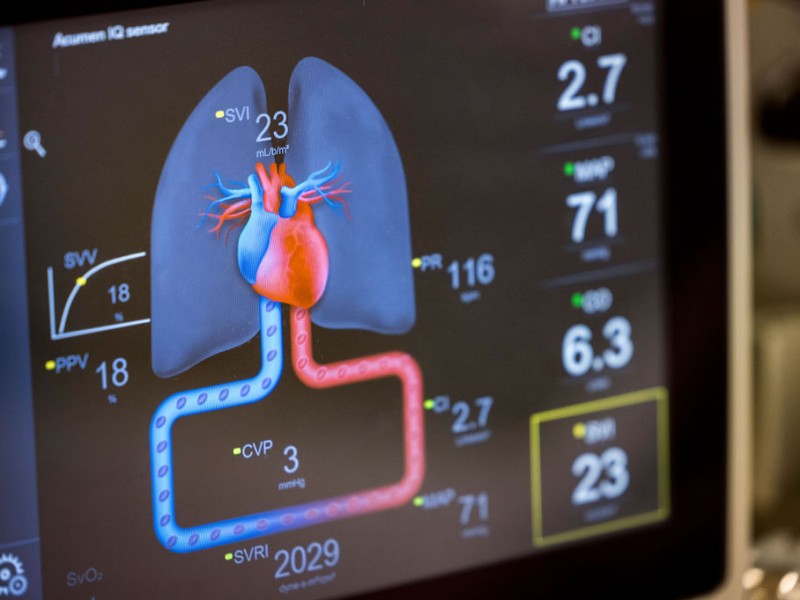
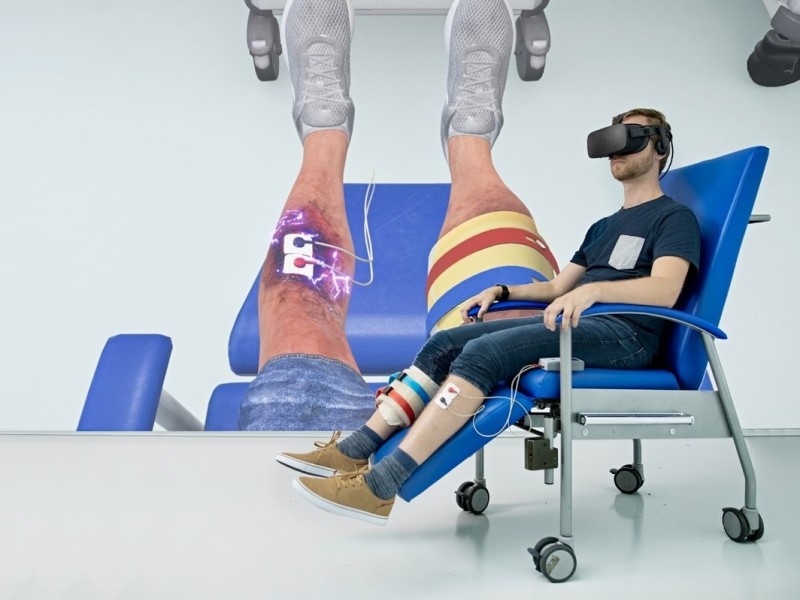
Experienced clinical scientist Dr Liza Botros, who is Klarenbeek’s right hand in setting up the new metabolic and cardiovascular research, is currently developing novel cardiovascular measurement methods, for example to quantify vascular leakage. Together with the Biomarker Engineering and Analytics department, they are also working on a method to estimate cardiac output based on pressure waves measured in the fingertips. Klarenbeek: ‘With an ageing population, there is a great need for new ways to prevent and treat cardiovascular disease. The emergence of new drugs that influence metabolic and cardiovascular health has created a fascinating new field in which we hope to add value, building on the expertise we have accumulated over the years.’
Interested in learning more?
More articles from Developing methods